Oct 8, 2026Guides
How to Evaluate a Customs Data Provider Before You Pay (Checklist)
Before comparing prices, compare answers: coverage of your markets, field completeness, the contact question, refresh cadence — and whether a sample is offered without friction.

Sooner or later, everyone evaluating customs data asks the community the same question: which provider is good, and why do the prices vary so much? The honest answer is that provider quality is not one number — it is five separate questions, and a buyer who asks them in order will find the right fit faster than any recommendation thread can. This guide turns those questions into a checklist you can run against any provider, including this one.
The order matters. Price is the last question, not the first, because a cheap subscription to the wrong coverage costs more than an expensive one to the right market. Start with what the data contains where you actually sell.
Question one: is your market covered — properly?
Headline numbers like countries covered or total records say little about your category. The working question is narrower: for the two or three markets you actually target, does the provider carry the trade at the level of detail you need? Coverage maps differ widely between providers and between markets, and a strong dataset in one region says nothing about another.
Buyer tip: bring your own product line to the evaluation. A provider either answers for your categories and countries or does not — everything else is decoration.
Question two: which fields ride on each record?
Field sets differ by market and by provider: some records carry full commercial detail — parties on both sides, quantity, weight, value — while others are deliberately thin. Ask to see, for your own target markets, exactly which fields ship with each record. Then match the fields to your workflow: a sourcing campaign needs scale columns and party names; a market study can live with aggregates.
Question three: what about the contact problem?
Every buyer discovers sooner or later that declarations describe companies, not people. Providers differ in what they do about it: some leave the bridge to you, some bolt on directories, some run automated matching from company to verified contact. Ask specifically how the contact gap is handled for your markets — and treat we have that as a prompt to ask for a demonstration, not as an answer.
Buyer tip: score the contact answer on process, not promises — what gets checked, in what order, and whether you can see the output on your own product line before paying.
Question four: how fresh is the window?
Update cadence is where evaluations quietly fail, because freshness is hard to see in a demo. Ask two things: how often the data refreshes for your target markets, and whether that cadence is the same across them. A file that updates regularly in one country and yearly in another supports very different campaigns, and only the provider's own documentation or a live sample will show the difference.
Buyer tip: when a provider names a cadence, ask which month the newest record in your category comes from — an answer with a month in it can be checked, and one without cannot.
Question five: what does a sample actually get you?
The sample is the whole evaluation compressed into one artifact, and how a provider handles it tells you as much as the data itself. Look for three properties: the sample runs on your product line rather than a generic category; it shows the real fields for your target markets; and it arrives without friction — a request form and a day, not a sales cycle.
A sample-first evaluation is also the cheapest one. An hour spent reading real records for your own category answers the first four questions at once, and the price conversation that follows starts from evidence instead of brochures.
Run the checklist more than once, too. Providers change: coverage expands, field sets shift, contact features come and go. An evaluation that was accurate last year may be stale this year, and a light annual re-check — one sample, one evening — keeps the choice honest without restarting the search.
Finally, keep the evaluation artifacts. The sample files, the answers to the five questions, the price notes: filed together, they turn every future re-evaluation into a comparison instead of a fresh investigation, and they make the reasoning behind the original choice reviewable by anyone who asks.
One more evaluation habit worth keeping: ask each provider the same five questions in the same order, and write the answers down as given. Comparing five conversations from memory turns into a blur; comparing five written rows turns into a table — and the table, not the sales cycle, is where the right provider becomes obvious.
Price goes last, with evidence in hand
With the five answers in hand, price becomes comparable: subscriptions differ in what they bundle — seats, countries, update tiers, contact features — and the right comparison is cost per answered question, not cost per year. A checklist that survives contact with real records is worth a subscription; one that only survived a sales call is not.
Running the checklist on Customsdatas
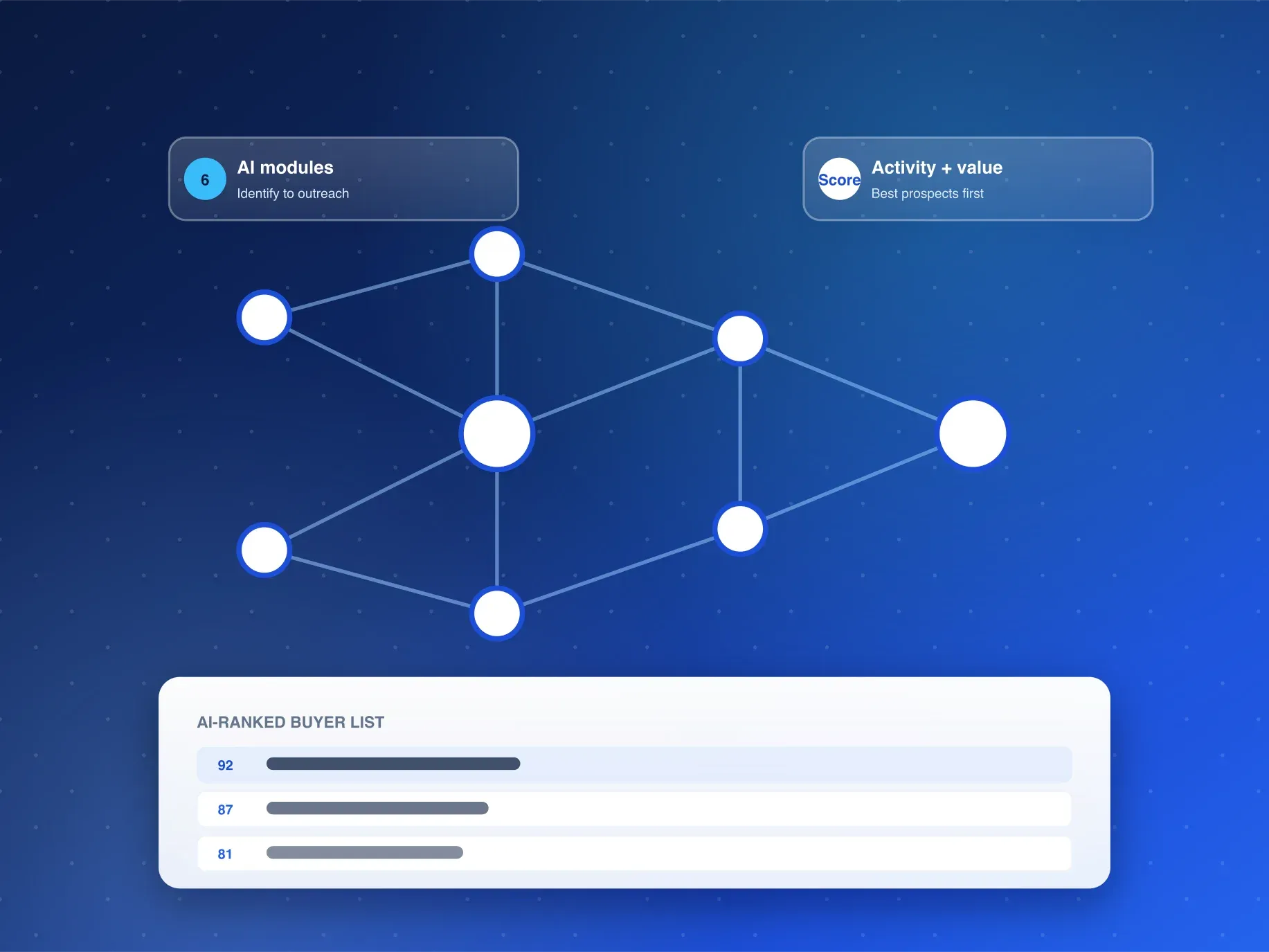
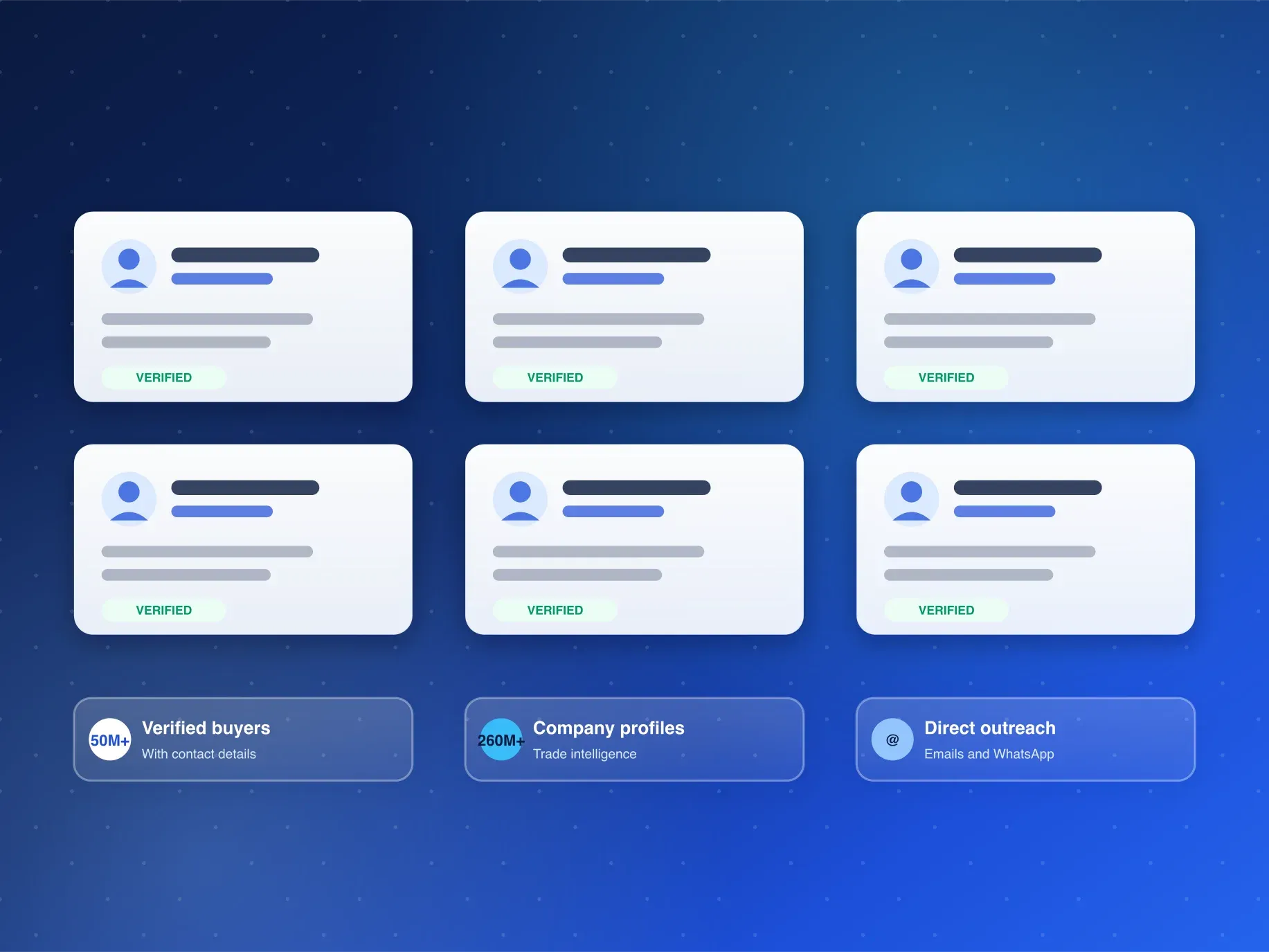
For completeness, the same checklist applied here: coverage across 200+ countries and 10B+ records with 50M+ buyers and 260M+ companies; field sets you can read on a sample run rather than take on faith; a contact layer the six AI modules of the AI Buyer Discovery Suite handle — identification, activity and opportunity value, market recommendation, similar-buyer discovery, outreach lists with emails and WhatsApp contacts, and competitor buyer detection; a refresh cadence a sample makes visible for your own markets; and a free sample on your own product line, answered within 24 hours (Mon-Sat, GMT+8). Run the checklist against any provider the same way — including us.
Frequently Asked Questions
What matters most in the checklist?
Coverage of your specific markets, confirmed on a sample. Everything else — fields, contacts, cadence, price — is only relevant for markets the provider actually carries well.
Why is sample-first evaluation better than comparing feature sheets?
Because feature sheets describe markets in general, while your campaign runs on specific categories. One hour with real records for your own product line answers the five questions at once.
How do I request a sample from Customsdatas?
Use the inquiry form or WhatsApp. Records matched to your product line arrive with the reply, within 24 hours (Mon-Sat, GMT+8) — the same checklist above is welcome to run against them.
Evaluating providers right now? Request a free sample from Customsdatas and put the checklist to work on your own category within 24 hours.